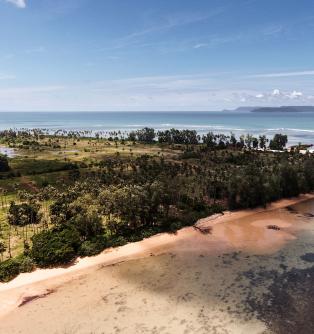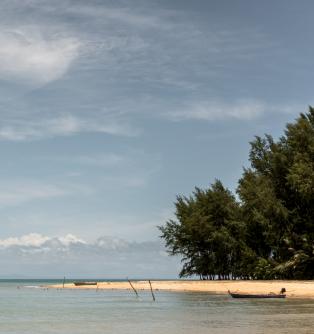
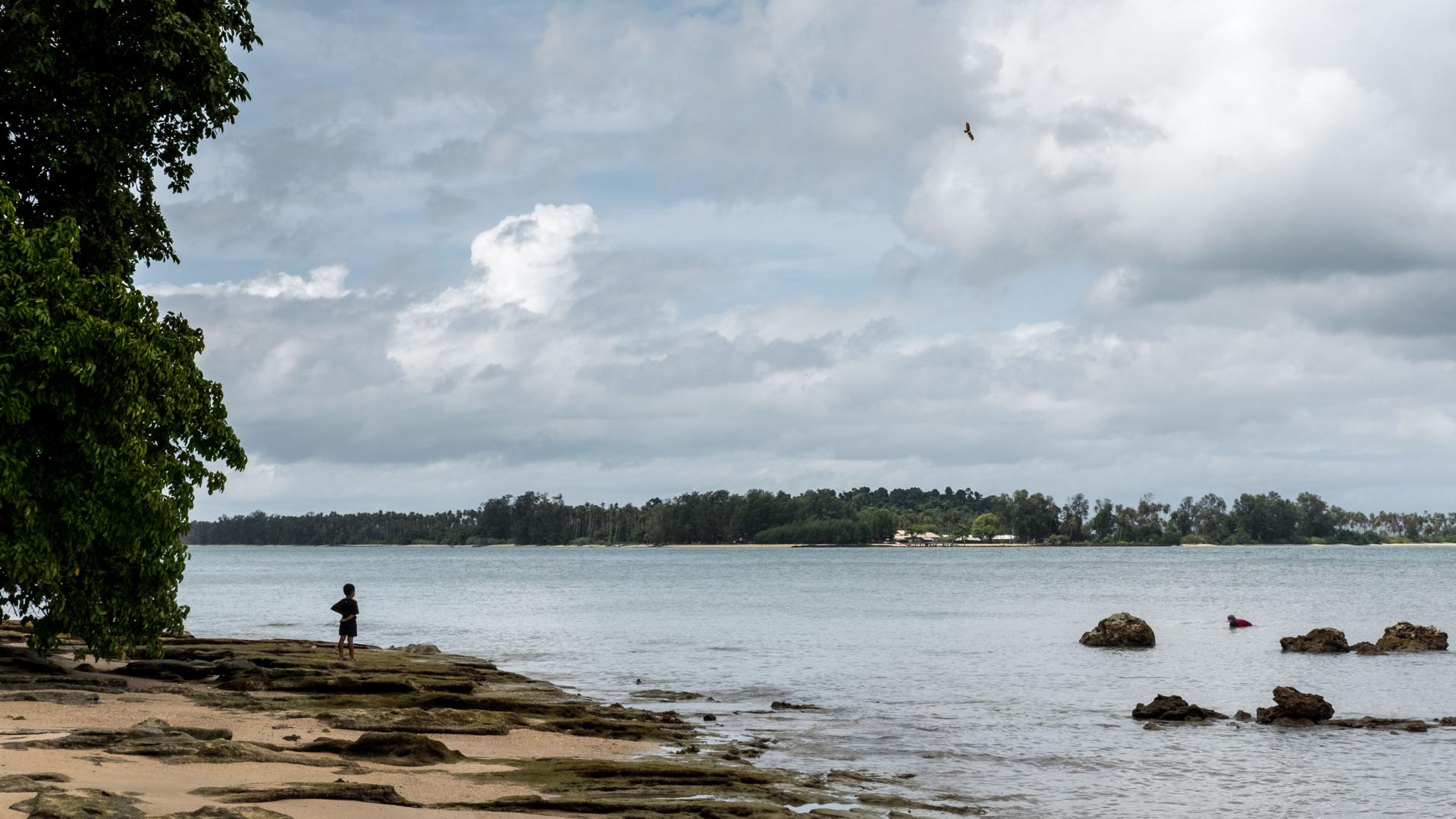
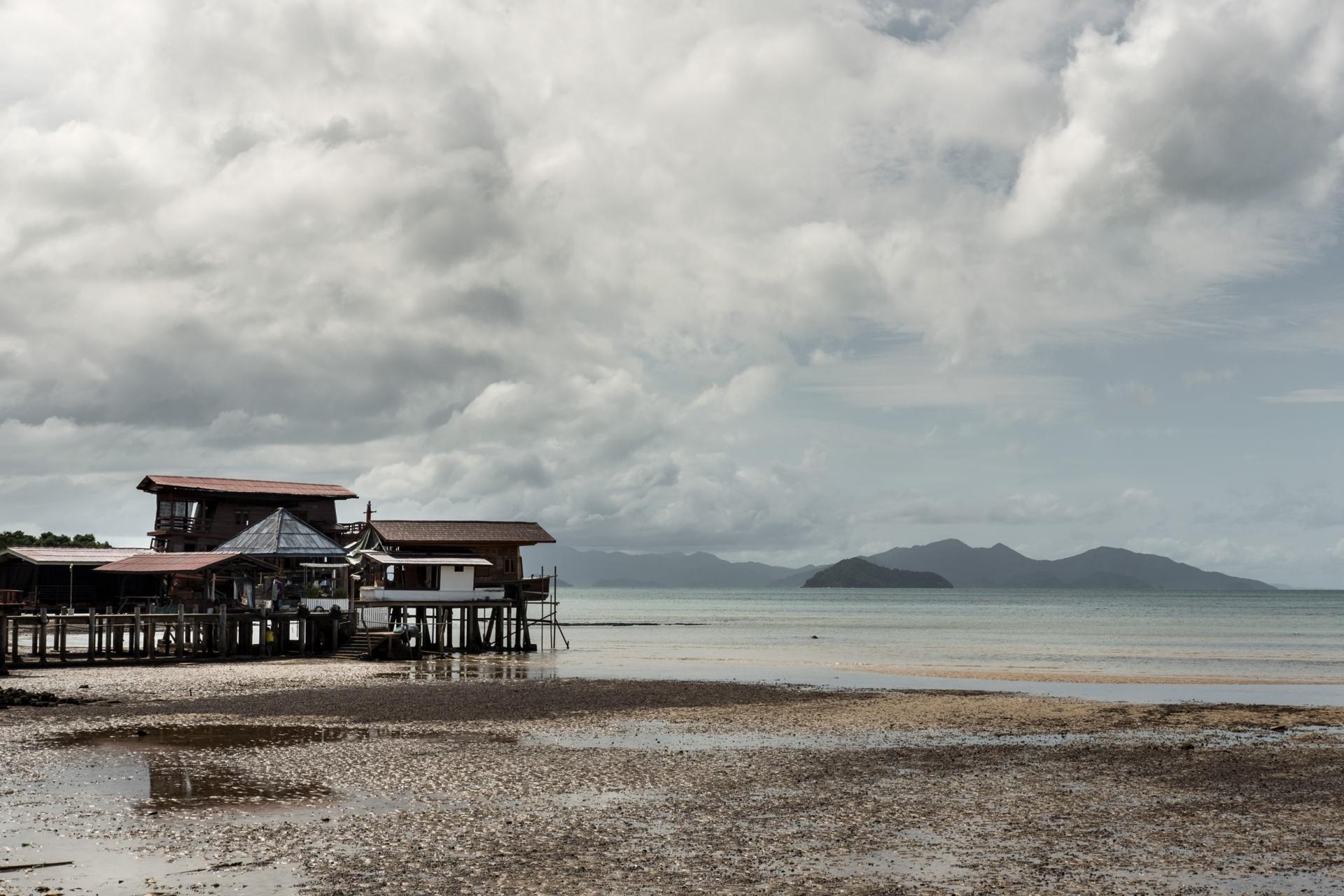
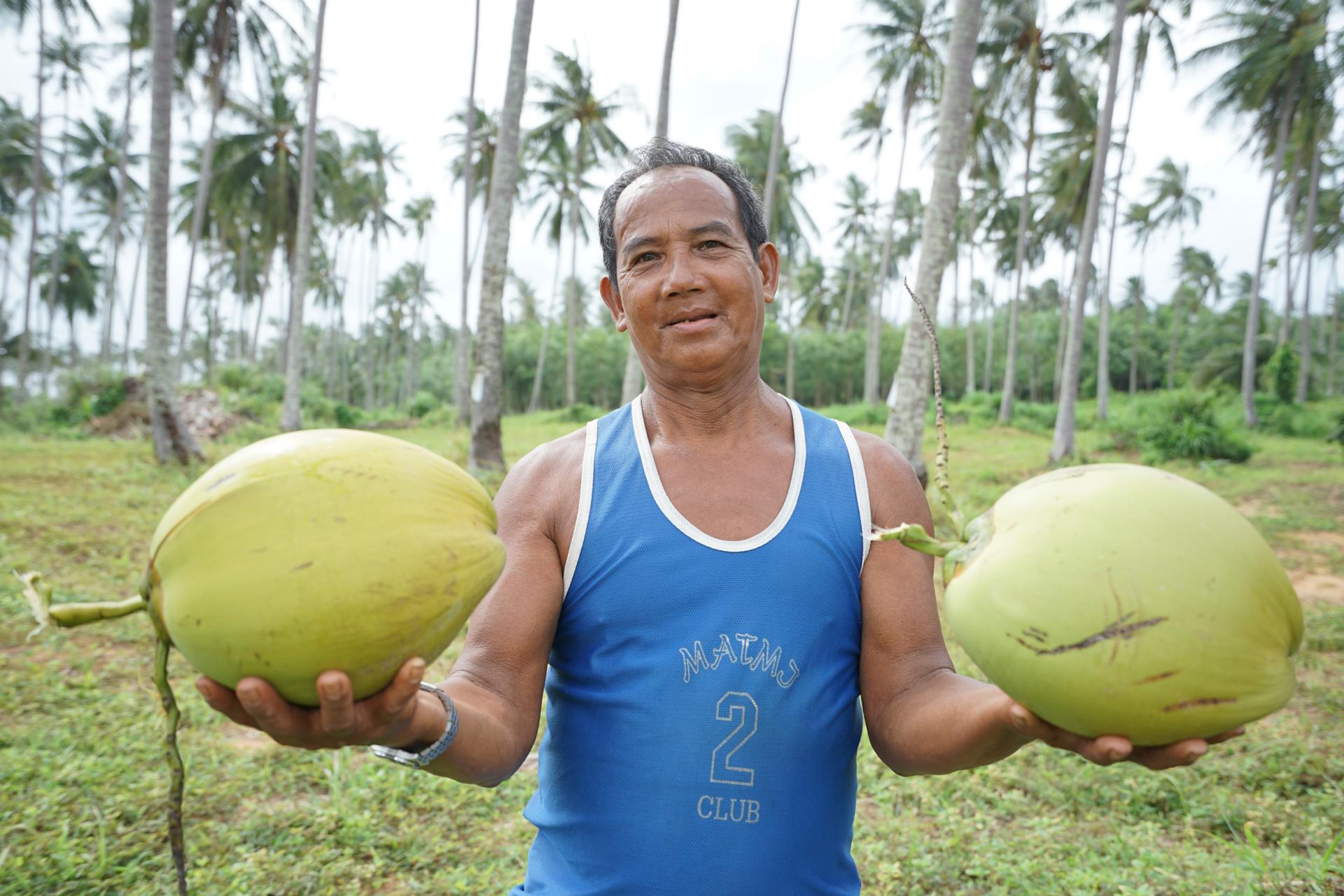
Apart from its natural abundance, Ko Mak is home to a local community with deep roots and a fascinating way of life; such as, its coconut and rubber plantations that have been passed down through generations. This also includes the community of seafarers who sail out everyday through the rolling waves in their small boats to catch seafood, yet without doing any harm to the environment.
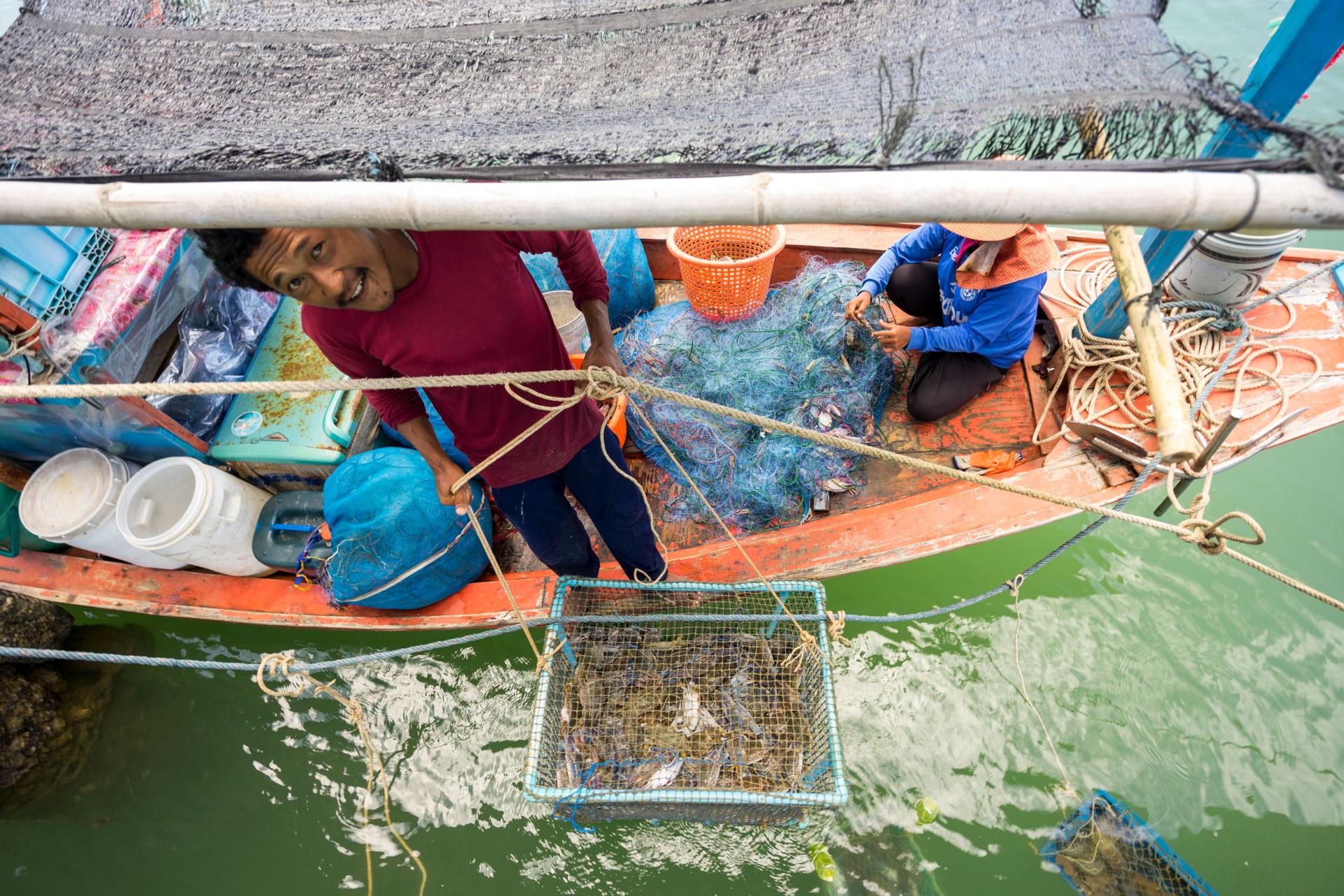
There are over a dozen fishing boats on the island. One of these belongs to Liao and Tam, a husband and wife who live on Laem Son Beach.
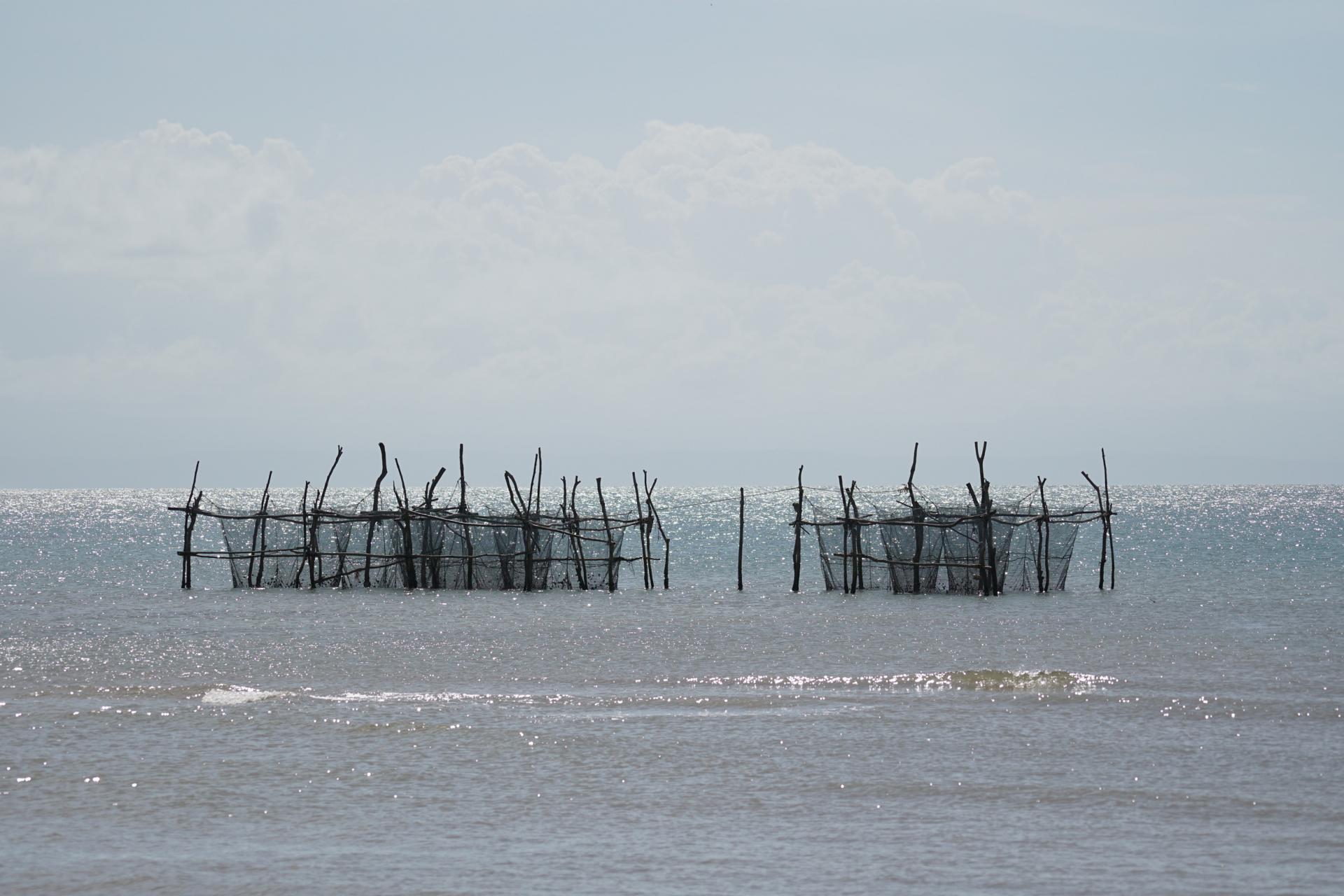
Liao, the husband, is 36 years old and followed his father fishing since he was young. Naturally, he grew to like the profession. He sails out around 4-5 p.m. to lay down the fishing nets used to catch sea crabs around the island. Experience has taught him which areas will have the most crabs depending on the season. It usually takes around 2 hours for him to finish laying the nets and return home. In the morning, he will sail out again at 7 a.m. to collect the day’s catch.
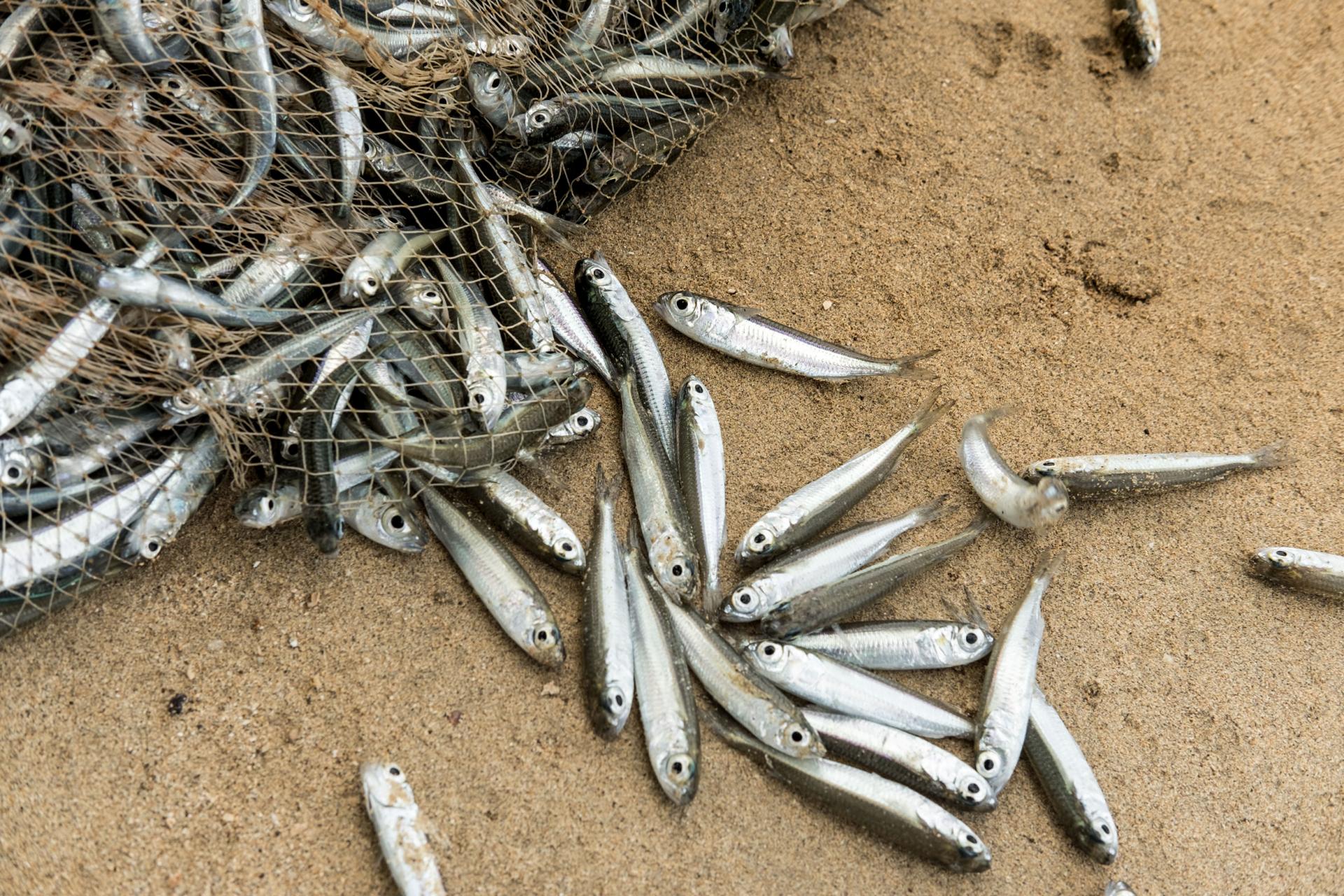
Liao primarily catches blue crabs to sell to the resorts and restaurants on the island. If he finds any stone crabs among the catch, those will be boiled to eat with his family. Sometimes other kinds of fish make their way into the nets; such as, stingrays, false trevally and more. On occasions, Liao even makes outings to catch squid.
The owners of the fishing boats on Ko Mak all know each other well. Typically, they will spread around the island to catch their crabs, but during certain periods, there are areas in which a lot of sea life will gather. At these times, the fishermen will also gather to the same area to lay out their nets.
Moving inland, the oldest profession on Ko Mak is coconut farming. Agriculture on Ko Mak began during the reign of King Rama V the Great, around 1904. Nowadays, the majority of the area on Ko Mak is coconut and rubber plantations.
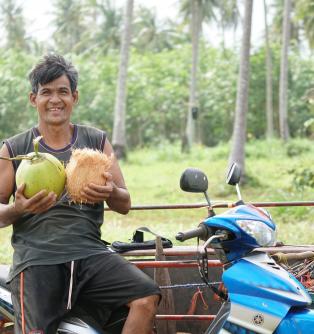
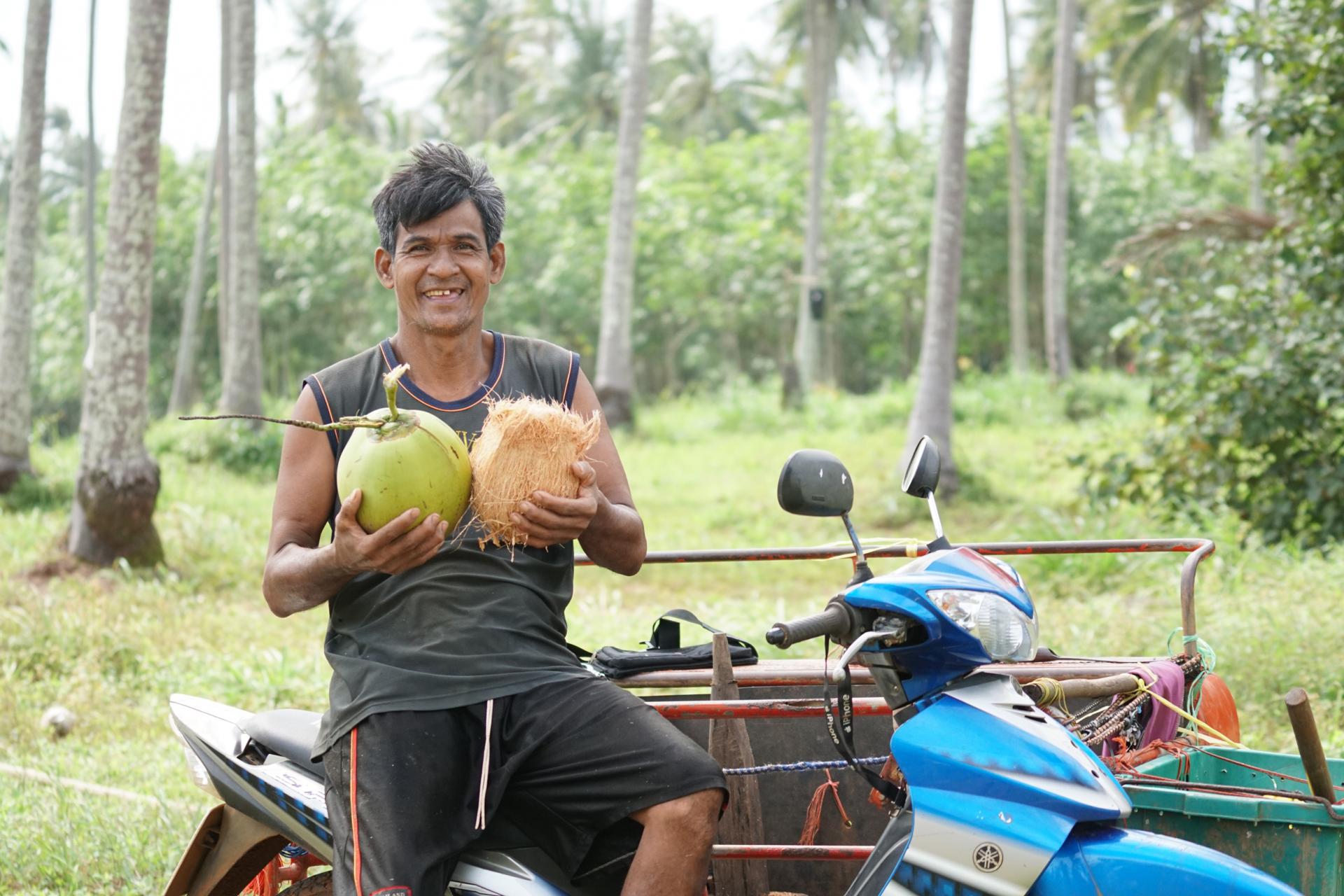
Although the majority of these coconuts from the big plantations are now collected by private companies from outside the community, there are still some locals hired to gather and peel coconuts in the traditional style. Two such people are Uncle Prathip Sichomphu, 56 years old; and his brother, Uncle Wit, 2 years his junior.
The brothers were born and raised on Ko Mak in a family that has worked on coconut plantations since his fatheržs generation. They learned how to harvest coconuts with stalks of umbrella bamboo. A long stalk of bamboo is cut from the jungle and sun-dried for around half a month, and then smoked until it straightens. Finally, a metal hook is attached to the end of the stalk. An implement like this requires a fair amount of wrist strength to keep it upright and cut the coconuts down.
A coconut peeler is made of a sharpened metal rod placed perpendicular to a wooden base. The coconut is pressed against the pointed metal rod until the outer layer comes off in strips.
Uncle Wit and his family work for a coconut plantation where he collects, peels and stores the coconuts. He will start by picking the coconuts one day and peel them the next. An experienced person would be able to peel upwards of a thousand coconuts per day.
One owner of a large coconut plantation spoke of how his family once upon a time used a wooden boat to ferry coconuts to sell on mainland Trat once a week. Each trip carried around 10,000 coconuts for making coconut milk, including dry coconuts for producing oil in a factory. These things exemplify the state of the historical coconut industry of Ko Mak.
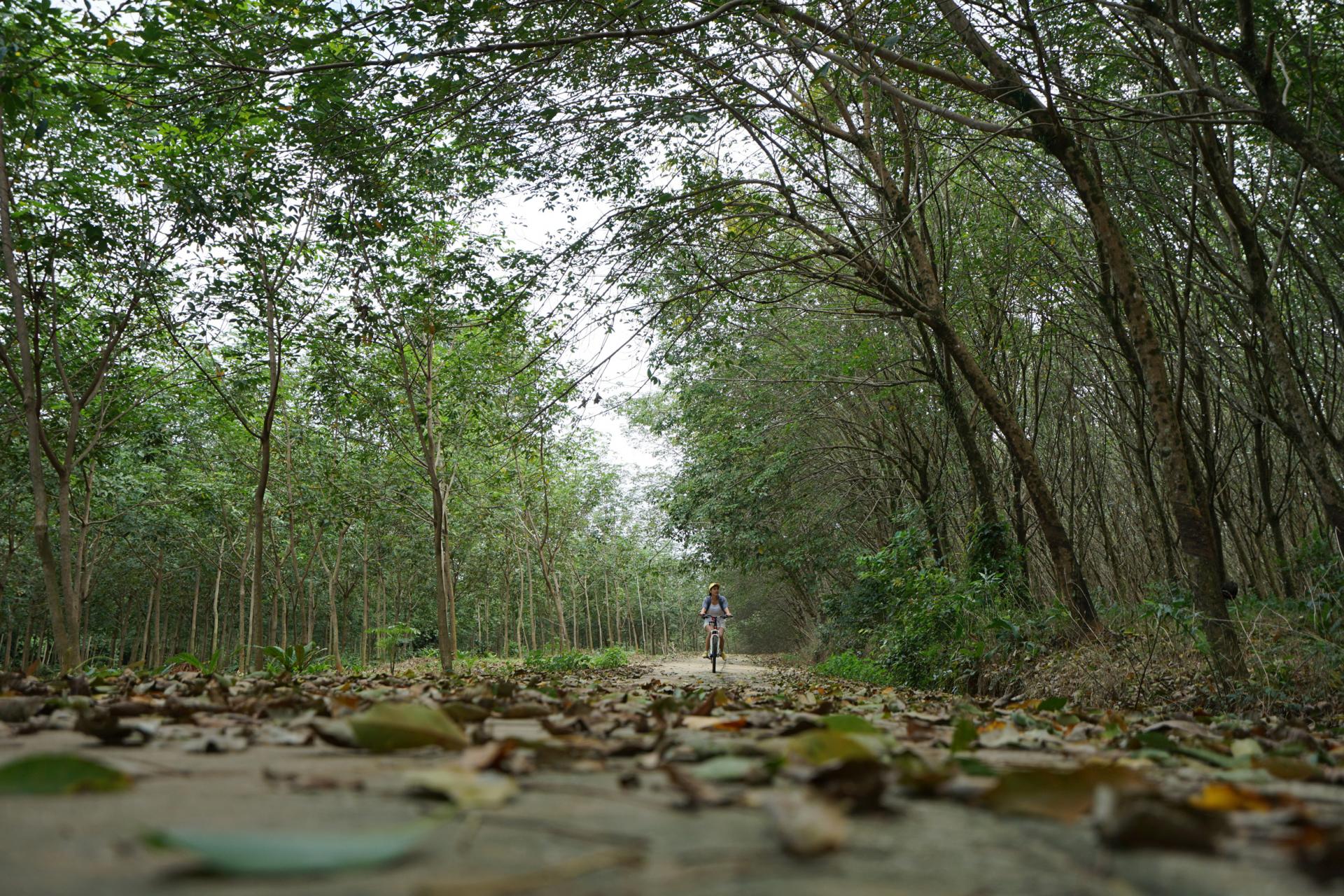
Rubber plantations first started in 1915 and have enjoyed a lot of growth. Rubber plantations, both old and new, have spread to many parts of the island. However, it is the area of Ao Ta Long on Luang Uthai Road that is home to the original community of rubber farmers.
The locals of Ko Mak are much more than business owners, or employees at resorts and restaurants. They include fishermen, coconut harvesters and rubber farmers. Knowing more about their way of life will let us better understand the beauty of Ko Mak.