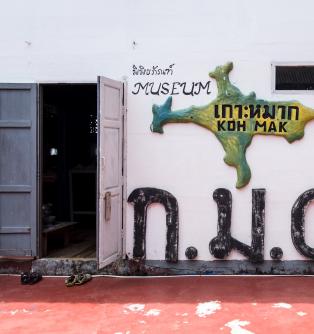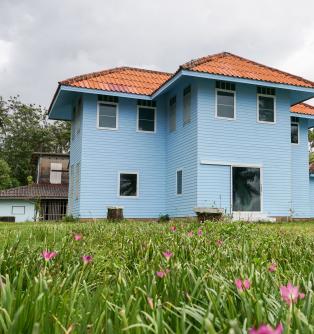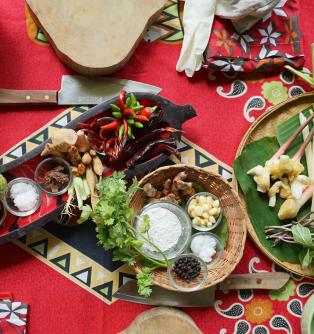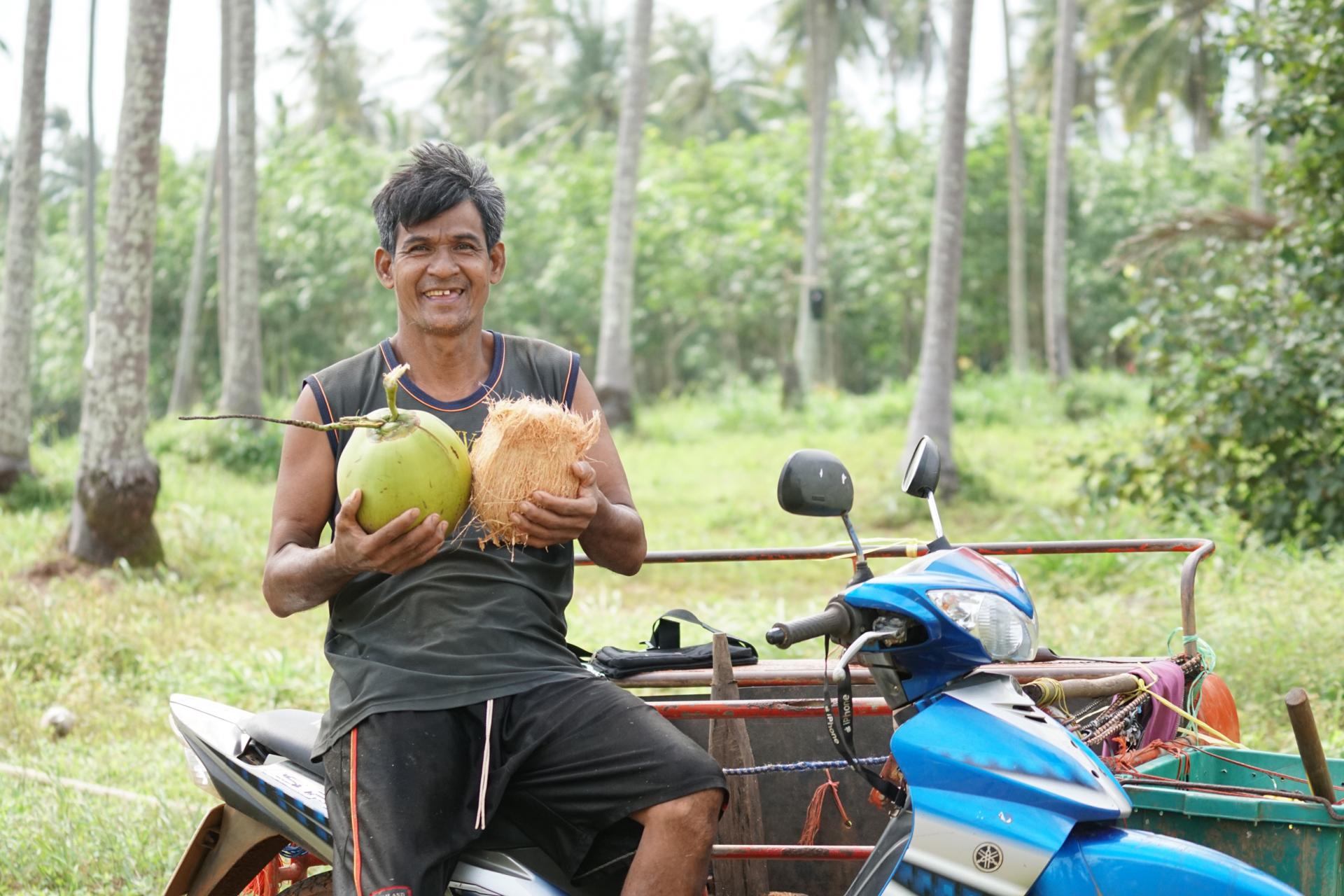
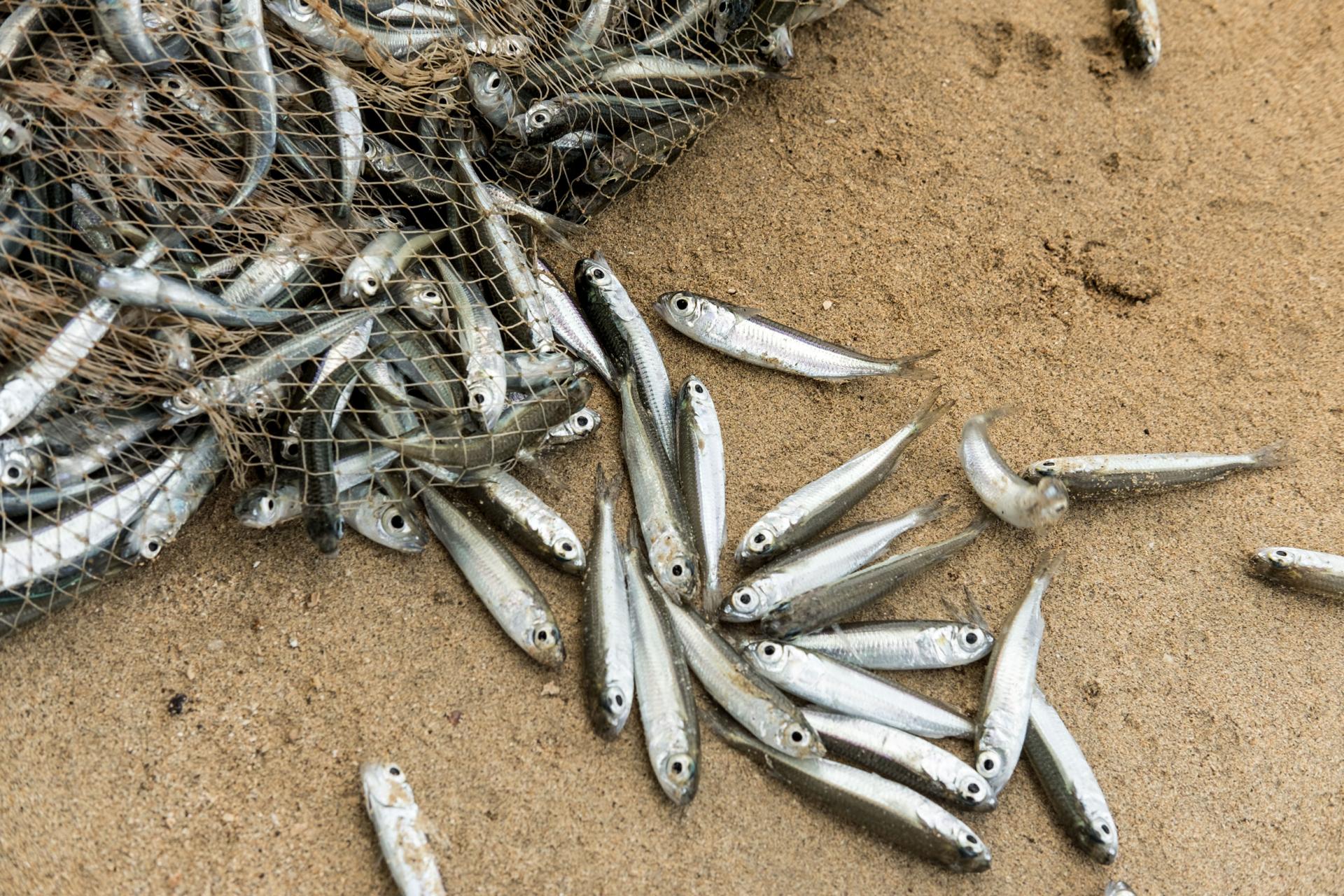
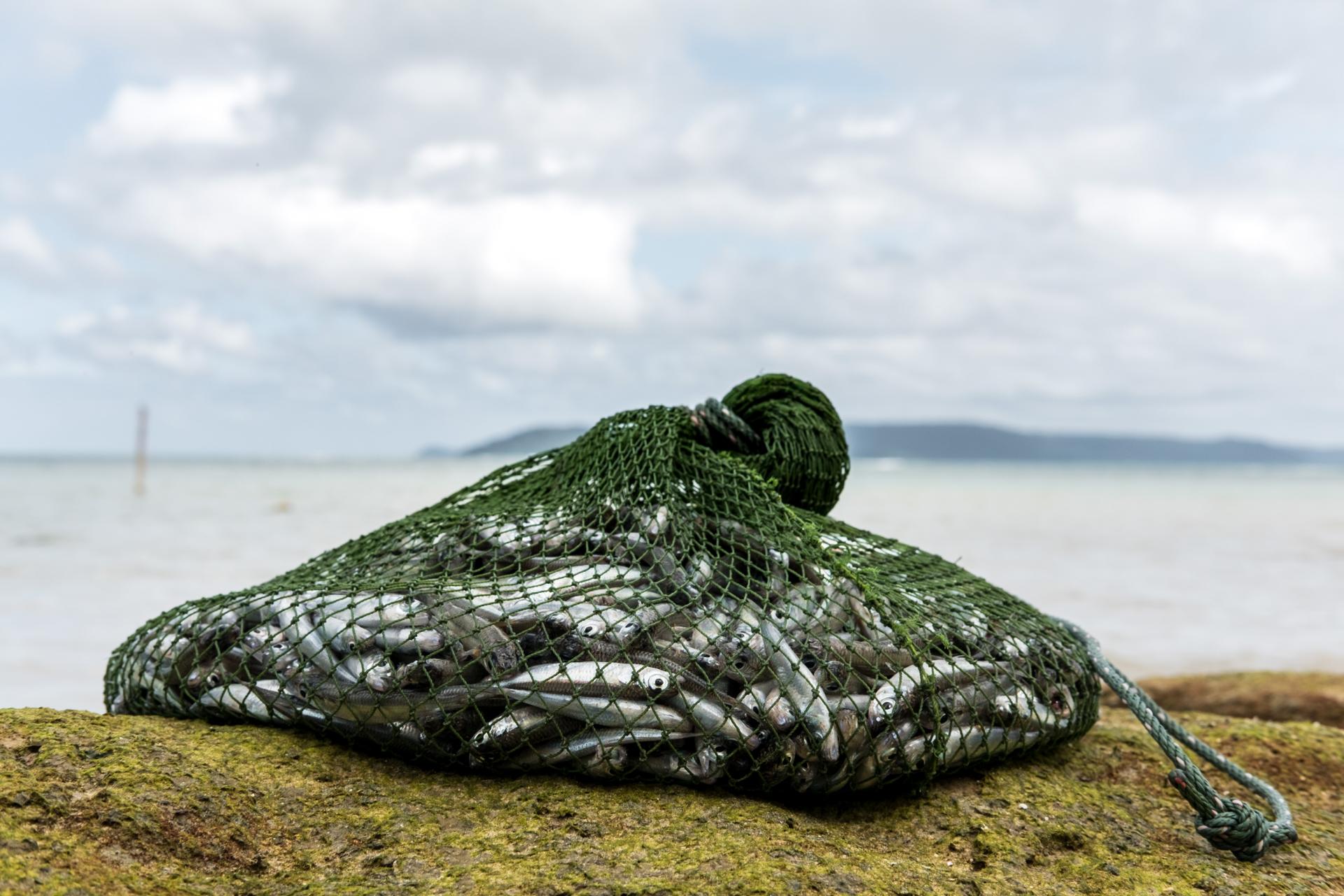
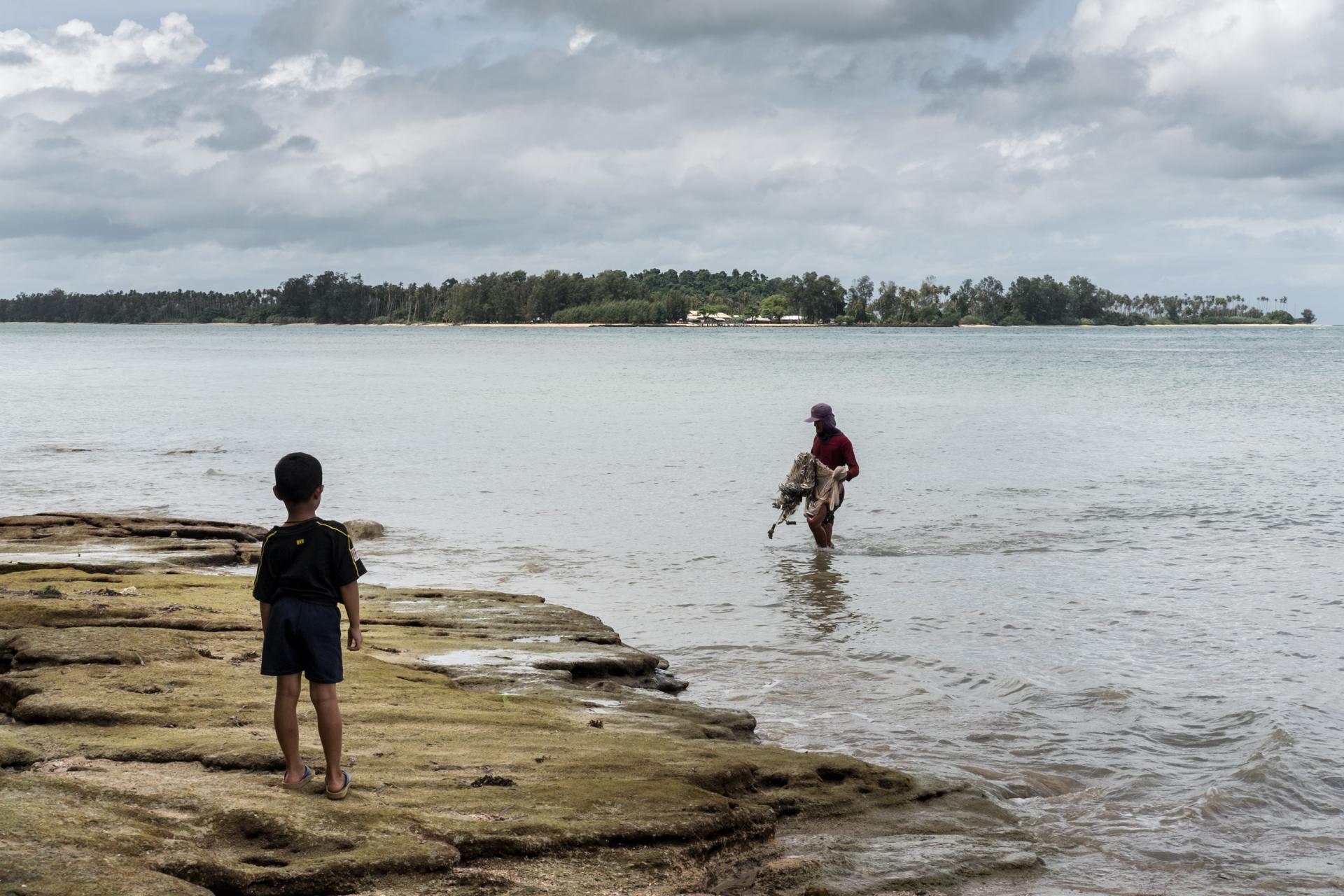
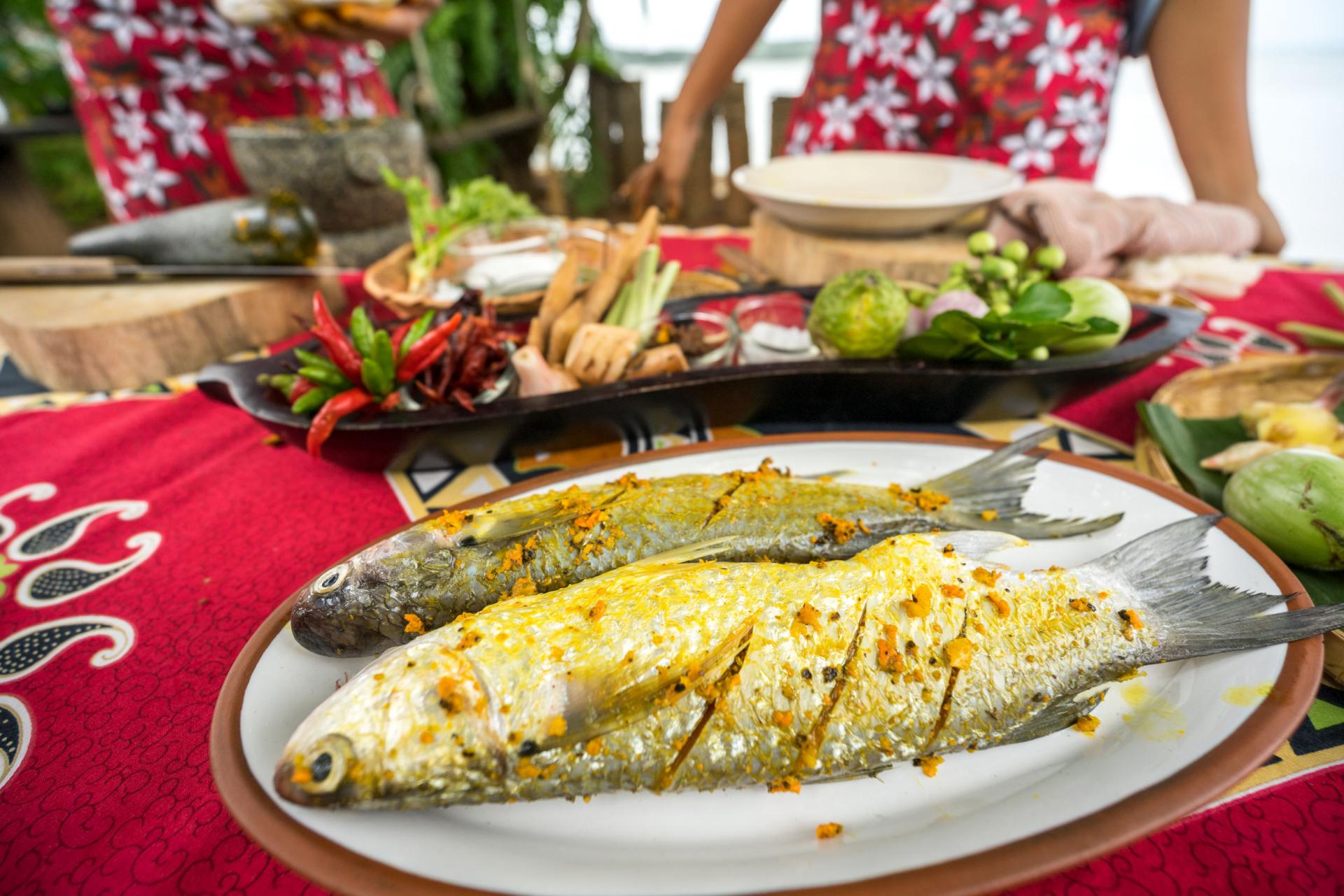
If you are curious about the local cuisine on Ko Mak, you need to speak to Uncle Wit Sichomphu, who at the age of 50 has lived on the island most of his life. He was born and raised on Ko Mak, and has been working on the coconut plantations. He recalls a time when it was easy to catch your own lunch. When he was younger and went to work on the plantation, he would only take rice with salt and chili seafood dip, and a plan to catch the rest of his meal. During his lunch break, he would head to the beach and cast out his net. After waiting a while, he would pull in many fish; such as, false travally, streak fish, Indian threadfish and mackerel. He would then cook his rice, using the coconut shell as kindling. He would grill the fish by clasping it in a split midrib of coconut leaf. When the fish was fully cooked, he would eat it with the salt and chilli dip.
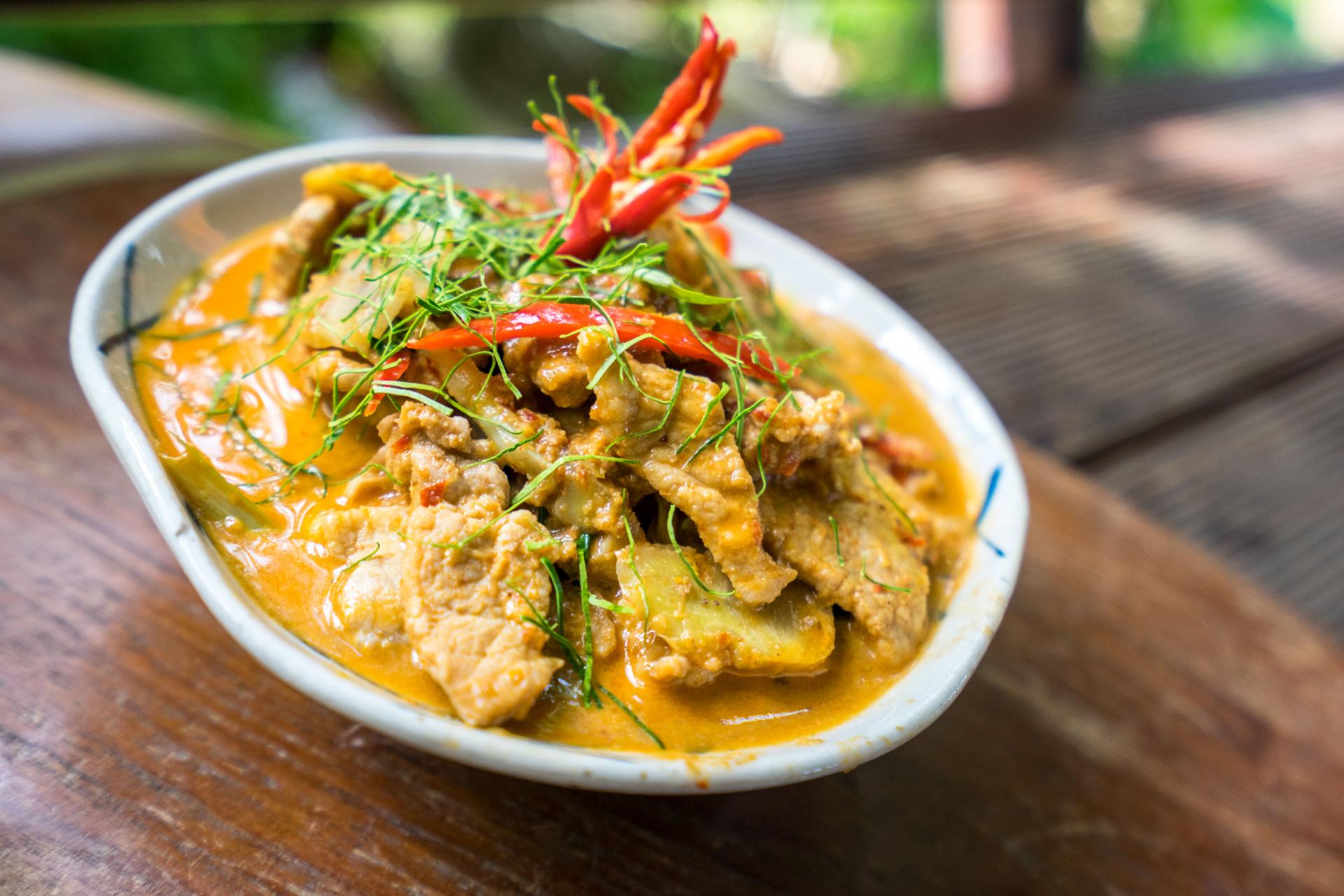
The local food is usually made with fish. Some common dishes are fish in coconut milk, fish soup with basil leaves, fish soup with ginger and fish in tamarind soup with konjac, which is a plant common to Ko Mak. Uncle Wit says that when boiling konjac, the first round of water needs to be poured out; otherwise, it could leave you with an itchy throat.
During the rainy season, villagers frequently collect shellfish to eat, as this is the time when they taste their best. There are many different kinds to be found; such as, clamshells, turban shells, inaequivalve arks, nile top shells, trochus niloticus and more. These can be prepared by boiling or grilling, and then dipped with the salt and chili.
Local ingredients on Ko Mak has become an interesting option with the tourism industry. Some restaurants, like the Koh Mak Seafood Restaurant, now buy from both the local fishermen and order from mainland Trat. This means that the locally caught crabs and fish; such as, longfin travally, streak fish, banded sicklefish, Indian threadfish, Chinese silver promfret, seabass, and silver sillago, are cooked up for customers to make a variety of dishes. They could be fried, used in spicy soup, or as part of a herbal or sour soup.
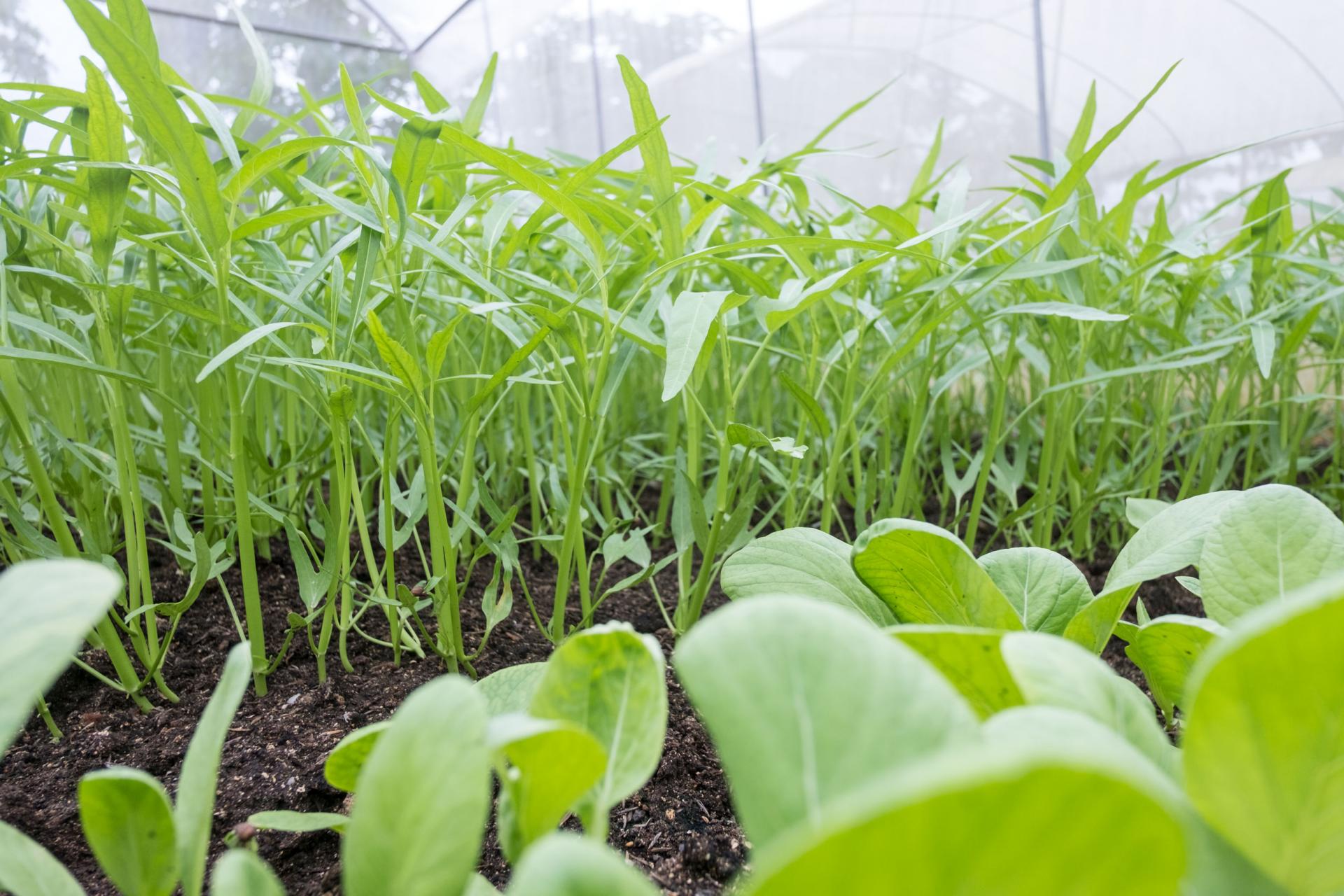
Many resorts in Ko Mak have started an organic garden within their compound, growing their own produce and using them as ingredients for things like herbal fried fish, shrimp Som Tam and an array of salads.
Using local ingredients not only impresses the customers with the freshness of the tasty dishes, but it also helps save costs and reduce the consumption of energy needed to transport them. All of this falls in line with the concept of being a low carbon destination.